
AutoHunter FAQ / Support
How it Works
The time has come for a safe, easy, and effective online Auction. Powered by ClassicCars.com, we have the expertise and wide market exposure to get your car seen by millions of visitors. Join us today and see what award-winning customer service is all about.
Learn More About Selling Submitting a vehicle for review is free $99.99 listing fee upon acceptance
Enjoy the excitement of finding the perfect car. Our no nonsense, informative and easy to use site is waiting for you. It's easy to register. Just add your profile information and a credit card for bidding. We charge a flat fee of 6.5% of the winning bid (minimum fee of $325, maximum fee of $10,000). Simple and effective.
Learn More About Bidding Bid on curated, pre-vetted vehicles.
We are more than just an auction, we're a community of car lovers. Your comments and questions are encouraged. We feel they can be informative and supportive to the auction process. Got something to say? Join our community today. To register, just add your profile information and you're ready to go.
Frequently Asked Questions
- Complete vehicle description and history
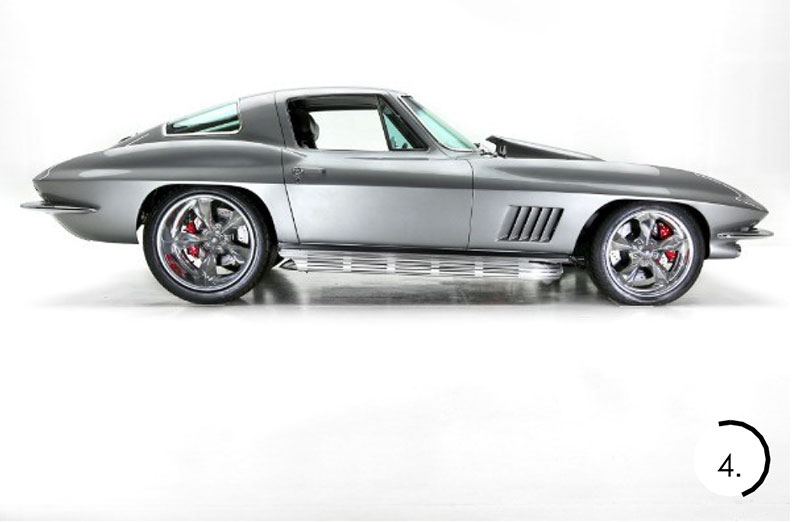
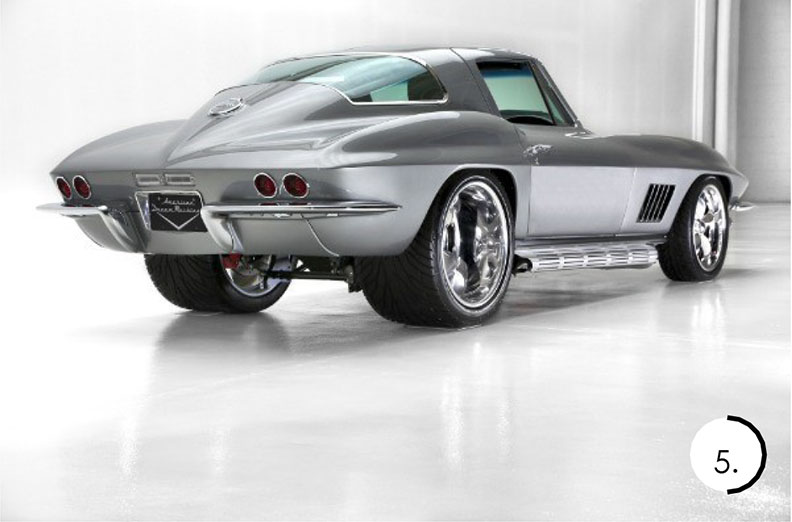
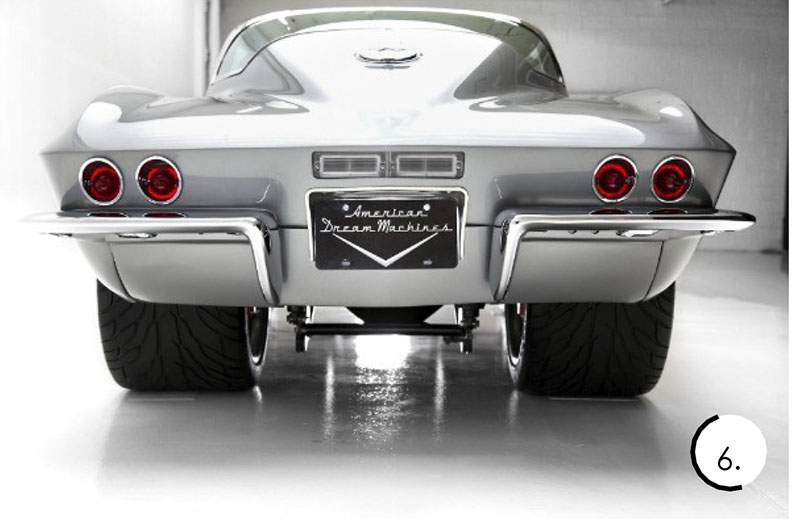
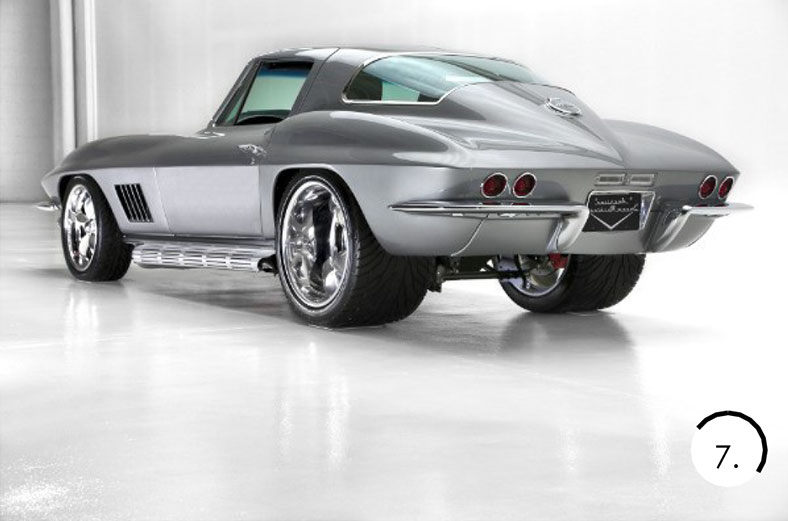
- At least six photos of vehicle from all sides
- One picture of VIN plate
- A picture of the front and rear of the vehicle title *
User Guides
Discuss the exact time, place, and method to transfer funds, receive your title, and receive your new vehicle.
If you are planning on picking the car up in person; cash, certified bank check, or a wire transfer are common payment methods. A wire transfer is preferred for speed and easy transactional confirmation. If buyer and seller happen to bank at the same bank, account transfers are very effective and can be executed through your mutual bank managers. Just get all parties together and gain agreement on what needs to occur. It's also a good idea to draft a simple "Bill of Sale". There are many samples on the internet. Make plenty of copies for your records.
Another popular method to exchange the title, vehicle and funds is through a neutral escrow company. For a fee, these companies will hold the funds until the exchange is complete. This is very effective, easy, and is set up specifically for these types of vehicle transactions. There are many to choose from and can easily be found as a search on the internet. These services typically charge a service fee based on the selling price of the car.
Ensure that you are getting what you paid for. Be specific on the times and dates that handoffs are to occur. Make sure all keys, manuals, car matts, tools, spare parts and extras are included as described. If you are not sure about anything, ask. Make sure the title has been signed off by the seller. In some states, the newly signed title may need to be notarized. If a Bill of Sale has been created, make sure to obtain it, and that it has all necessary signatures.
Give the vehicle one more final visual inspection. If you're having the vehicle picked up by a transporter, ask the seller to take additional photos of the car prior to it being loaded, and to document any damages like scratches, dents, dings, etc. for comparison when the car arrives. If you find any undocumented damages, contact your shipper immediately to get the issue resolved.
If you are planning on transferring the car in person, it is common to receive payment in cash, certified bank check, or a wire transfer. A wire transfer is preferred for speed and easy transactional confirmation. If the buyer happens to bank at your same bank, account-to-account transfers are very effective and can be executed through your mutual bank managers. Just get all parties together and gain agreement on what needs to occur. It's also a good idea to draft a simple "Bill of Sale". There are many samples on the internet.
Another popular method to exchange the title and funds is through a neutral escrow company. For a fee, these companies will hold the funds until the exchange is complete. This is very effective, easy, and is set up
specifically for these types of vehicle transactions. There are many to choose from and can easily be found as a search on the internet. As an example, we have received good reviews for a company called
Discuss with the buyer the exact time, place, and method to transfer funds, title, bill of sale, and of course the vehicle.
Organize all of your keys, manuals, car matts, tools, spare parts, touchup paint, history files, and extras are included as described. Leave a note in the car if there any tips about starting the car, connecting the battery, setting the brakes etc. Make sure the title has been signed off by the seller. In some states, the newly signed title may need to be notarized. If a Bill of Sale has been created, make sure to obtain it, and that it has all necessary signatures. Make copies of everything.
Discuss how the buyer plans to transport the car. If the buyer is shipping the car with a 3rd party carrier, document the condition of the vehicle before it gets loaded up for your own records. The carrier should make note of any dings, dents, scratches, etc. on the bill of lading, make sure to ask them for a copy as well. It's likely the buyer will need your help in scheduling vehicle pickup, access to the vehicle, and general help ensuring the car gets loaded up by the shipping company.
- Use a hose or a sprayer to rinse off all the loose dirt and grime from your paint. This will reduce the possibility of scratching your paint. Once finished, put your soap/water mix in a wash bucket or a foam sprayer. Using a microfiber wash mitt, wash each section of your car. Once you are done, rinse your car off, making sure to wash away all remaining soap. It's best to wash in the car in shade to prevent streaking.
- While your wheels are still wet, use a wheel and tire cleaner and apply directly to your wheels and the front face of your tires. Using a brush or mitt, clean your wheels. Be sure to not let the chemical dry and quickly rinse off once you are finished.
- Dry your car using microfiber towels, its good practice to open your trunk, doors and hood to get that sneaky remaining water. If you drop a towel on the ground, get a fresh one.
- Exterior: A quick detailer is a fast and effective way to make your car's paint look great. Spray some quick detailer onto a microfiber towel and wipe down your car. Remember to wipe each panel in the same direction, do not wipe in a circular motion. Stay in the shade. A soft bristle tooth brush can get those hard to reach places to remove built up wax.
- Wheels/tires: Everyone loves a nicely dressed tire! Choose a tire dresser, some great products to use are Adams Polishes Tire Shine, Griot's Tire Coating, or Meguiars Tire Shine. There are multiple levels of shine available, make sure to choose the product for the level you want and follow the application instructions on the product container.
- Interior: There are a few practices involved to get your interior clean. Start with vacuuming your carpets (in the same even direction), floor mats, and your seats to remove any debris. Use interior detail wipes or an interior cleaning spray with a microfiber to wipe your dash, steering wheel, console, door panels, etc.
- Glass: Clean your windows using a glass cleaner that is ammonia free. Spray product directly to your windows and wipe with a clean microfiber towel, or you can spray directly onto the towel and wipe clean with the dry side for those hard to reach areas. This will reduce any haze from your glass that may show in photos. Stay in the shade to prevent streaking.
- Chrome: Chrome polish not only removes surface contaminants but also lays down a beautiful shine that catches the light. Use sparingly.
-
Engine bay: Cleaning your engine bay can really elevate the appearance of your car. However, many of the parts aren't designed to withstand direct contact with water so it's essential to protect
those components before cleaning. Disconnect your battery and cover both battery cables along with any other wires and electronic components (like distributors, coil packs, computer modules etc.). If
your car is carbureted, cover your air filter as well.
Once everything is protected, use diluted Simple Green or a product like Adams All Purpose Cleaner. Spray the cleaner on everything and use a brush to clean all components. Once you are done, rinse the engine bay thoroughly with a hose. Use towels to wipe away all visible water and if available, blow compressed air into all the nooks and crannies to dry everything before removing the coverings on the electrical items. Last, use a plastic protector, like Armor All, on exposed plastic bits to really make the details pop.

The photographs of your vehicle are a critical component of your listing. Buyers from around the
world who view your auction listing rely solely on your pictures and descriptions to help them decide
and increase their level of interest in bidding on your car.
they are less likely to get excited about owning it.
- Take pictures outside in an open area
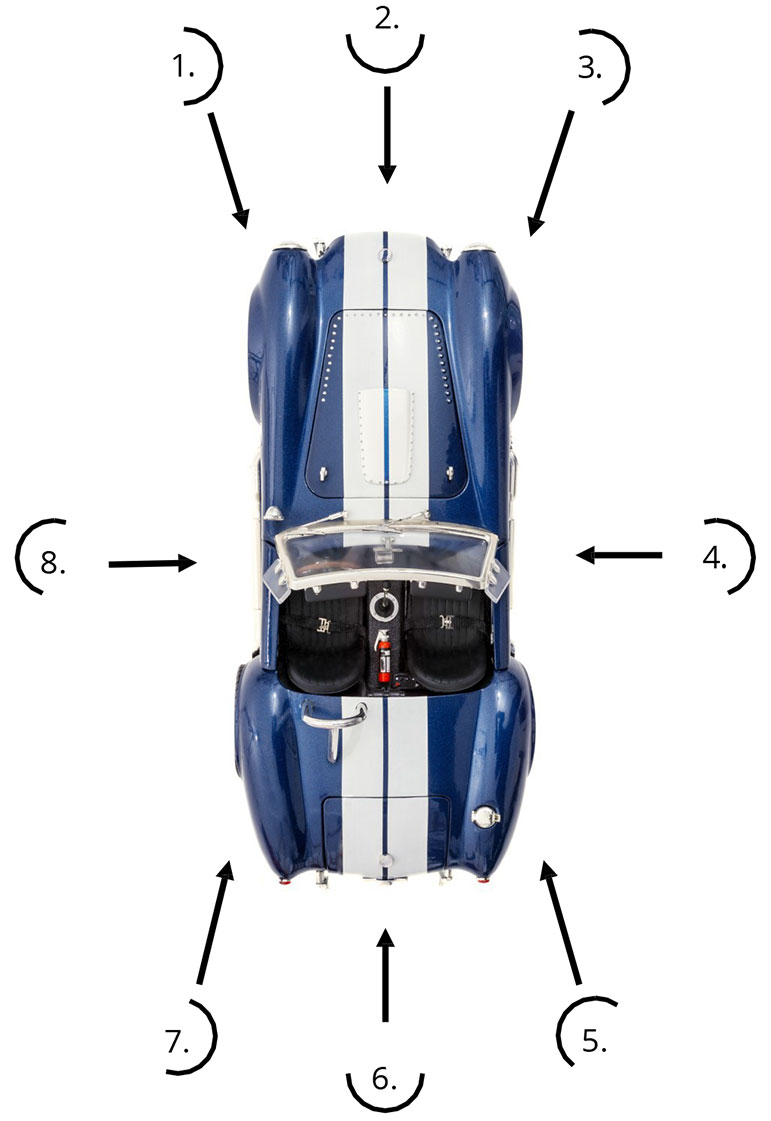
- Position car in an area where you have 360 degree access to the car from 20 feet away
- Make sure the background is acceptable and does not interfere or take away from the real subject of the photo, your car.
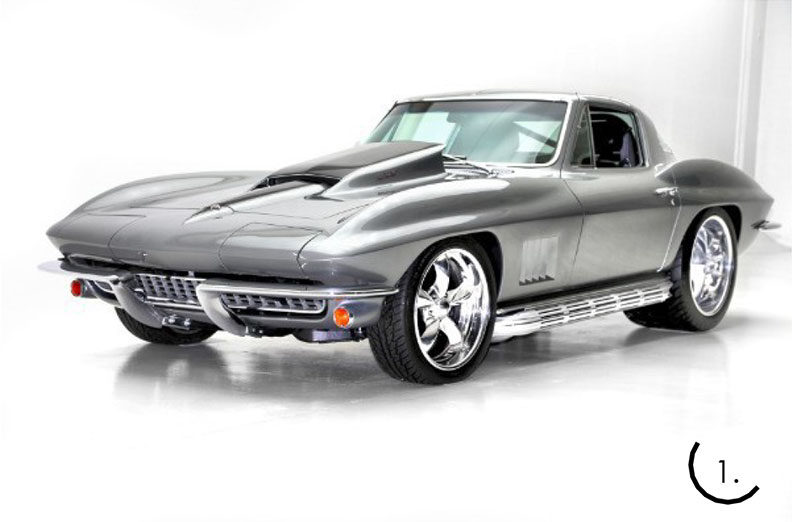
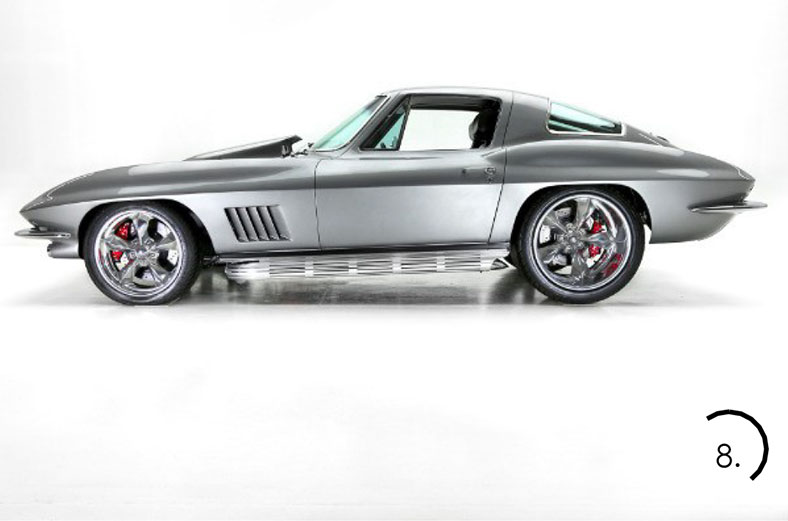
- Left front corner
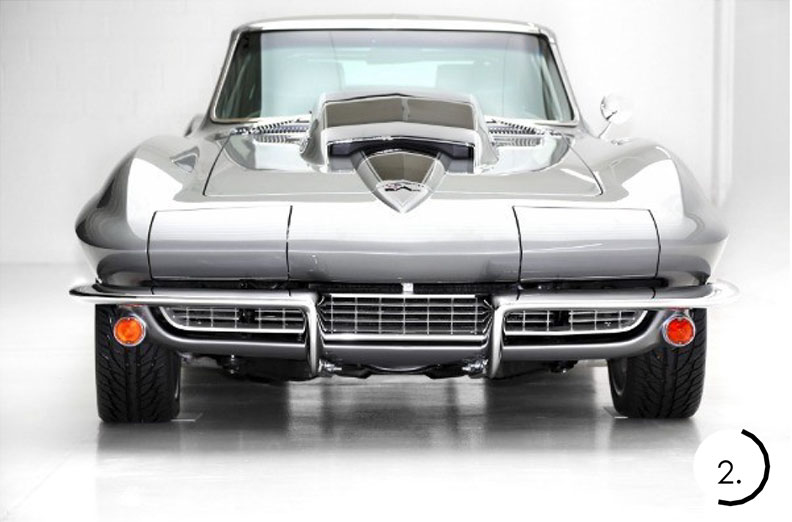
- Front side
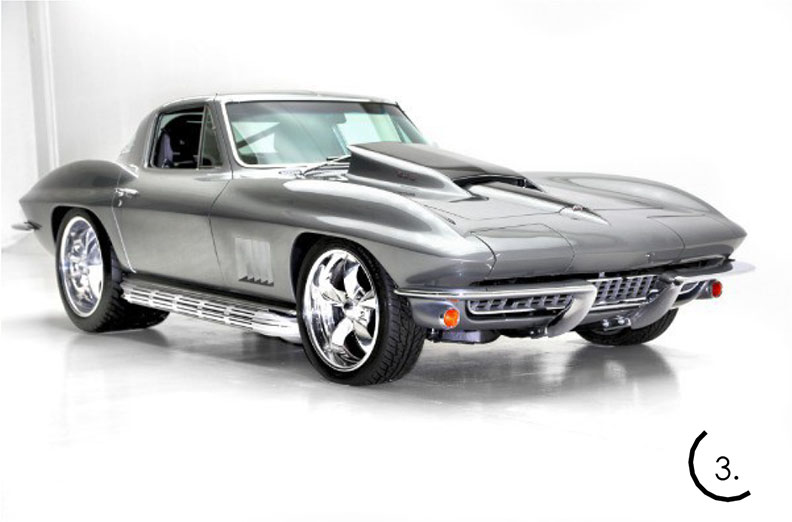
- Right front corner
- Right side of car
- Right rear corner
- Back side
- Left rear corner
- Left side of car
Stand in the position indicated at right to take the corresponding picture in the list.
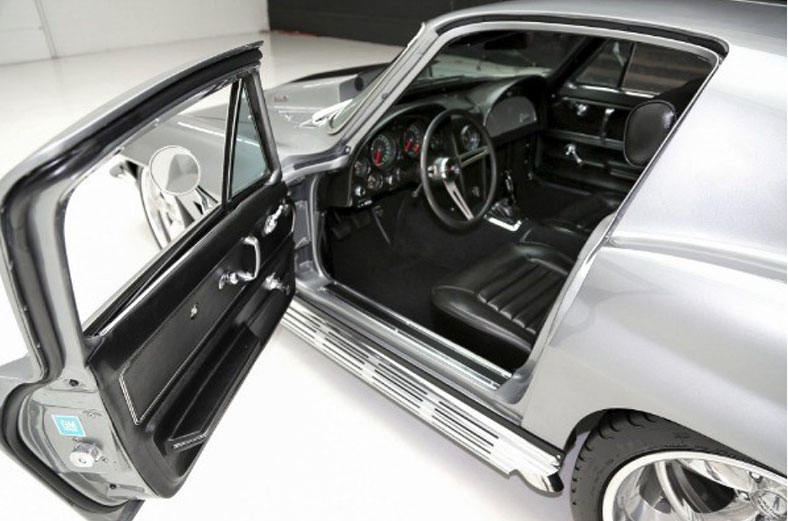
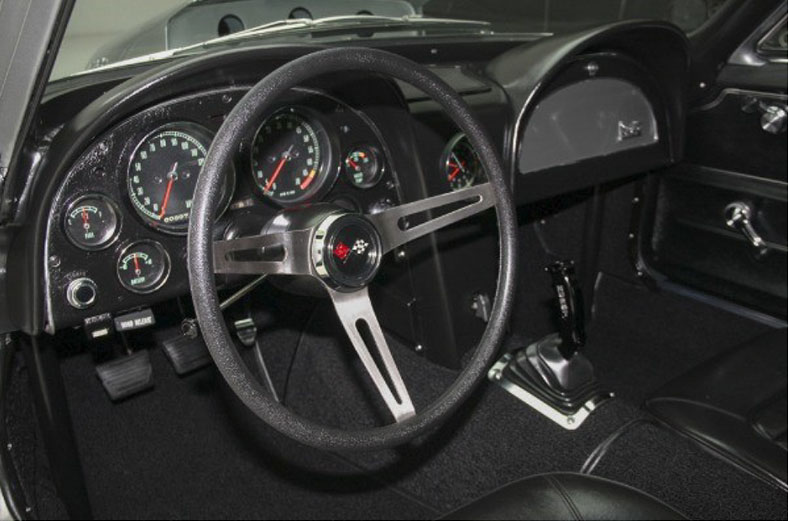
- Open left door and take a pic of the driver's area, including steering wheel and instrument panel
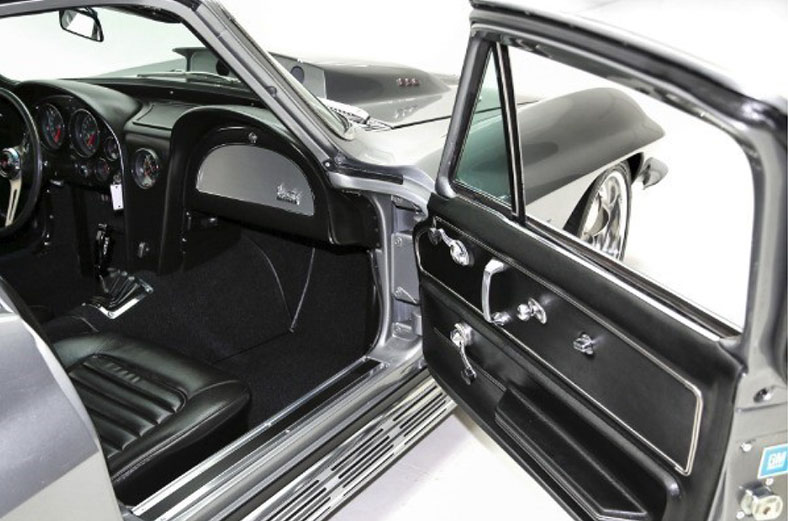
- Open right door and take a pic of interior, including right side of dash area
- Trunk area (if applicable)
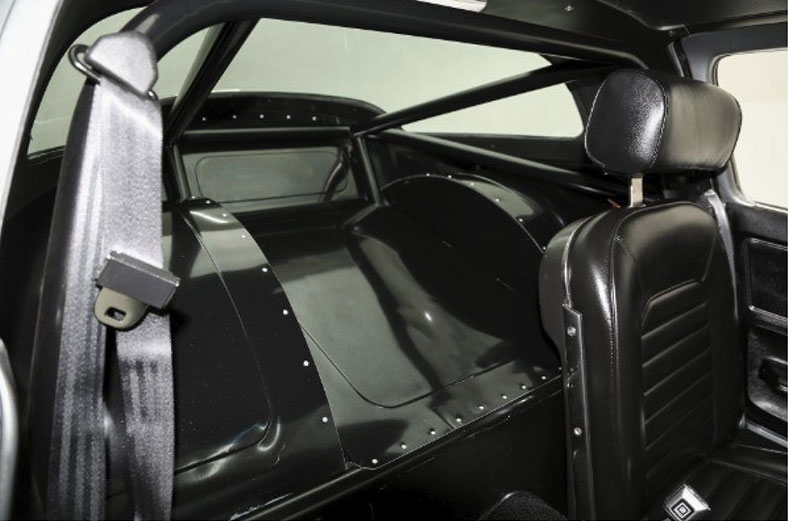
- Rear seat (if applicable)
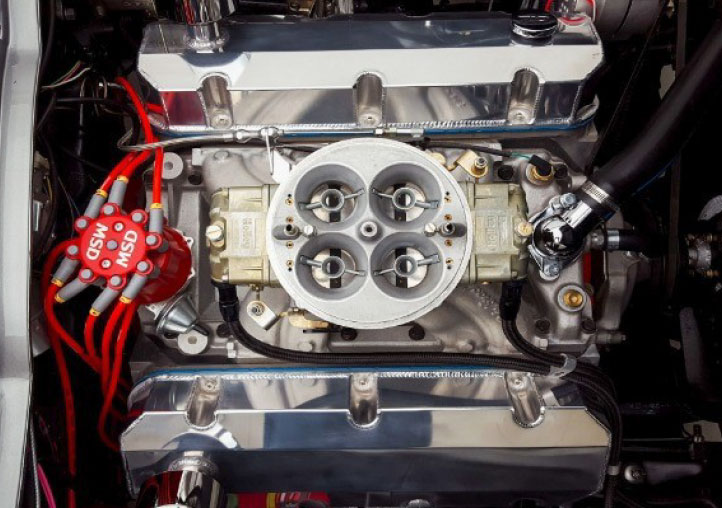
- Picture of engine from the front or top (depending on hood)
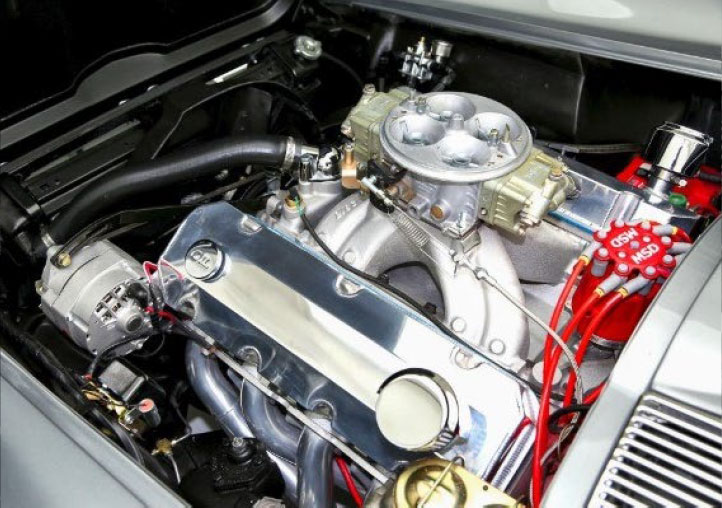
- Picture of engine from the leftside
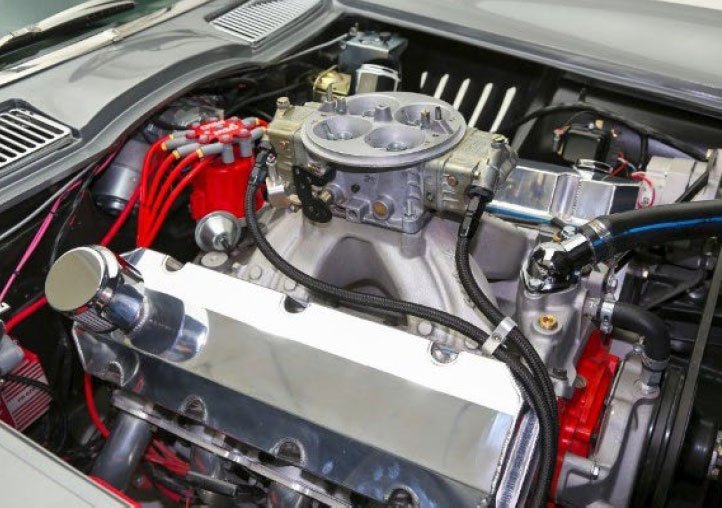
- Picture of engine from the rightside
- Salvage – the vehicle has been damaged to the extent that the cost of parts and labor to repair it to a pre-accident condition exceeds a specific percentage of the vehicle’s retail value.
- Rebuilt – the vehicle was branded as “salvage” but has passed DMV inspections, ensuring it’s safe to drive and can be registered. Also known as “prior salvage” or “salvaged.”
- Junk – the vehicle can’t be registered anymore, even if it's repaired. Usually, the car doesn’t have any resale value.
- Flood – the vehicle was/is damaged by a freshwater flood.
- Lemon – if a vehicle breaks down multiple times during its warranty period and the same problem persists even after several attempts to repair it, the vehicle’s title may be branded as “lemon.”
- Totaled – when a vehicle sustains damage that’s not repairable to the point the vehicle would be safe to drive, it can be declared a total loss and receive this title brand.
- Fire – the vehicle is damaged by fire.
- Hail – the vehicle is damaged by hail.
- Saltwater damage – the vehicle is damaged by a saltwater flood.
- Vandalism – the vehicle is damaged by vandals.
- Dismantled – the vehicle can't be legally driven and can only be sold for parts.
- Reconstructed or refurbished – the vehicle’s original construction is modified.
- Collision – the vehicle is damaged by collision.
- Prior taxi – the vehicle was registered as a taxi.
- Prior police – the vehicle was registered as a police vehicle.
- Former rental – the vehicle was used as a rental.
- Antique – the vehicle is over 50 years old.
- Classic – the vehicle is at least 20 years old and meets specific criteria.
- Street rod – the vehicle is modified but meets jurisdiction-specific criteria.
- Agricultural vehicle – the vehicle is used for agricultural purposes.
- Logging vehicle – the vehicle is used for logging purposes.
- Replica – the vehicle’s body is built to resemble and be a reproduction of another vehicle of a given year and manufacturer.
- Owner retained – the vehicle is declared a total loss, but the owner still has it.
- Recovered theft – the vehicle was previously titled as salvage due to theft but has been repaired and inspected. Therefore, it may be driven legally.
- Kit – the vehicle has been built by combining a chassis with a different frame, engine, and body parts. In that case, the actual vehicle’s identification number (VIN) is on the chassis.
- Re-manufacture – the vehicle was reconstructed by the manufacturer.
- Warranty return – the vehicle was returned to the manufacturer because of a breach in the warranty.
- Reissued VIN – the chassis number (VIN) was reissued. For instance, the same VIN is reused.
- Reserved eliminated bond posted – the vehicle has a bond because its ownership cannot be proven. It can be sold and titled.
- Memorandum copy – the vehicle has a facsimile title.
- Prior owner retained – the vehicle had a salvage title, but the owner kept the vehicle and sold it.
- Vehicle non-conformity uncorrected – a non-safety defect reported to the jurisdiction by the vehicle manufacturer remains uncorrected.
- Vehicle non-conformity corrected – a non-safety defect reported to the jurisdiction by the vehicle manufacturer has been corrected.
- Vehicle safety defect uncorrected – a safety defect reported to the jurisdiction by the vehicle manufacturer remains uncorrected.
- Vehicle safety defect corrected – a safety defect reported to the jurisdiction by the vehicle manufacturer has been corrected.
- Hazardous substance contaminated vehicle – the vehicle has been contaminated with a hazardous substance and is unsafe to use.
- State-assigned VIN – VIN is replaced by a new state-assigned VIN number.
- Gray market not compliant – the vehicle was manufactured for use outside the United States and doesn’t comply with applicable federal standards.
- Gray market compliant – the vehicle was manufactured for use outside the United States but complies with applicable federal standards.
- Salvage stolen – the reporting jurisdiction considers the vehicle salvage because an insurance company has acquired ownership pursuant to a settlement based on the theft of the vehicle.
- Salvage other – the vehicle acquired salvage title due to other reasons than damage or theft.
- Disclosed damage – the vehicle was damaged to the extent that the damage had to be disclosed under the jurisdiction's damage disclosure law.
- Vehicle crushed – the frame or chassis of the vehicle has been crushed or otherwise destroyed.
- Export-only vehicle – the vehicle has a salvage or junk title and is determined for exportation outside the United States.
- Actual odometer – the mileage on the odometer is true.
- Not actual odometer – it’s known that the mileage on the vehicle’s odometer is not true.
- Odometer exceeds mechanical limits – the odometer has reached its mechanical limits; therefore, the shown mileage is lower than the actual one.
- Odometer may be altered – an alteration to the odometer leads to a belief that the mileage on the odometer may not be true.
- Odometer tampering – the odometer was tampered with.
- Exempt odometer disclosure – the vehicle’s ownership can be changed without disclosing the odometer reading.
- Odometer replaced – the odometer in the vehicle was replaced at some point.
- Odometer reading at the time of renewal – the odometer reading was recorded when the registration was renewed.
- Odometer discrepancy – the previously recorded values of the odometer lead to a belief that the mileage on the odometer may not be true.
- Car title division – there’s a problem with the odometer that can’t be printed on the title.
Contact Information
Contact Us Form
Note: Please provide any details that may help us in responding to your question or comment. If your inquiry involves a specific auction vehicle, please be sure to include the Year/Make/Model of the auction listing.
All fields marked with " " are required.